A clean model view can conceal missing coverage, unsupported assumptions or elements that were never included in the modeling brief. Accepting the delivery requires a clearer basis than how convincing the geometry looks on screen.
Scan-to-BIM quality control should distinguish the source information, the represented geometry, the agreed element scope and the package handed to the receiving team. Each needs an appropriate check. This guide provides a recommended acceptance structure and an example register, without assigning a universal tolerance or claiming that a demonstration is a measured project result.
Define what the model will be used for
Start with the decision the buyer needs the model to support. Renovation planning, discipline coordination and drawing extraction can place different demands on the information. Identify the areas and elements that matter to that use, along with the consequences of an unknown condition.
Write the acceptance requirements with the modeling scope. If a particular service interface needs to be represented, state it. If the brief requires drawings, specify their purpose and checks separately. Do not wait until final delivery to discover that the buyer expected information the modeler had excluded.
The Scan-to-BIM process guide helps establish the input and scope basis. Keep that register available during acceptance so that reviewers can distinguish a production omission from an agreed exclusion or a source-data gap.
Review source quality and coverage
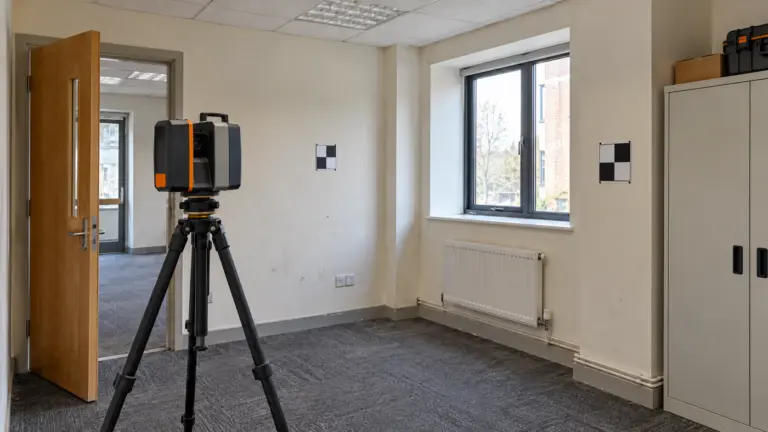
Record the information supplied about registration, coordinate references and capture dates. Identify who is responsible for reviewing that information and which methods form part of the appointment. A readable point-cloud file does not establish that its registration or coverage is suitable for every requested use.
Coverage deserves its own record. A room may have been captured while part of its ceiling void remains inaccessible. State the affected location and the resulting limitation on the model. If an element is partly observed, identify the treatment of its unobserved portion.
Avoid merging source limitations into a general statement that the model “passed QA.” The recipient needs to know which questions the available evidence can answer and where further information may be required.
Keep accuracy and model content separate
An agreed LOD describes aspects of model content and reliability; it does not independently prove positional accuracy. The LOD scope guide explains how to specify element requirements without treating a blanket label as an acceptance test.
For accuracy requirements, agree the method, coverage, thresholds and reporting basis appropriate to the intended use. USIBD's Level of Accuracy resource is a relevant professional reference. A reference to that framework is not evidence that a provider or a particular model has certification.
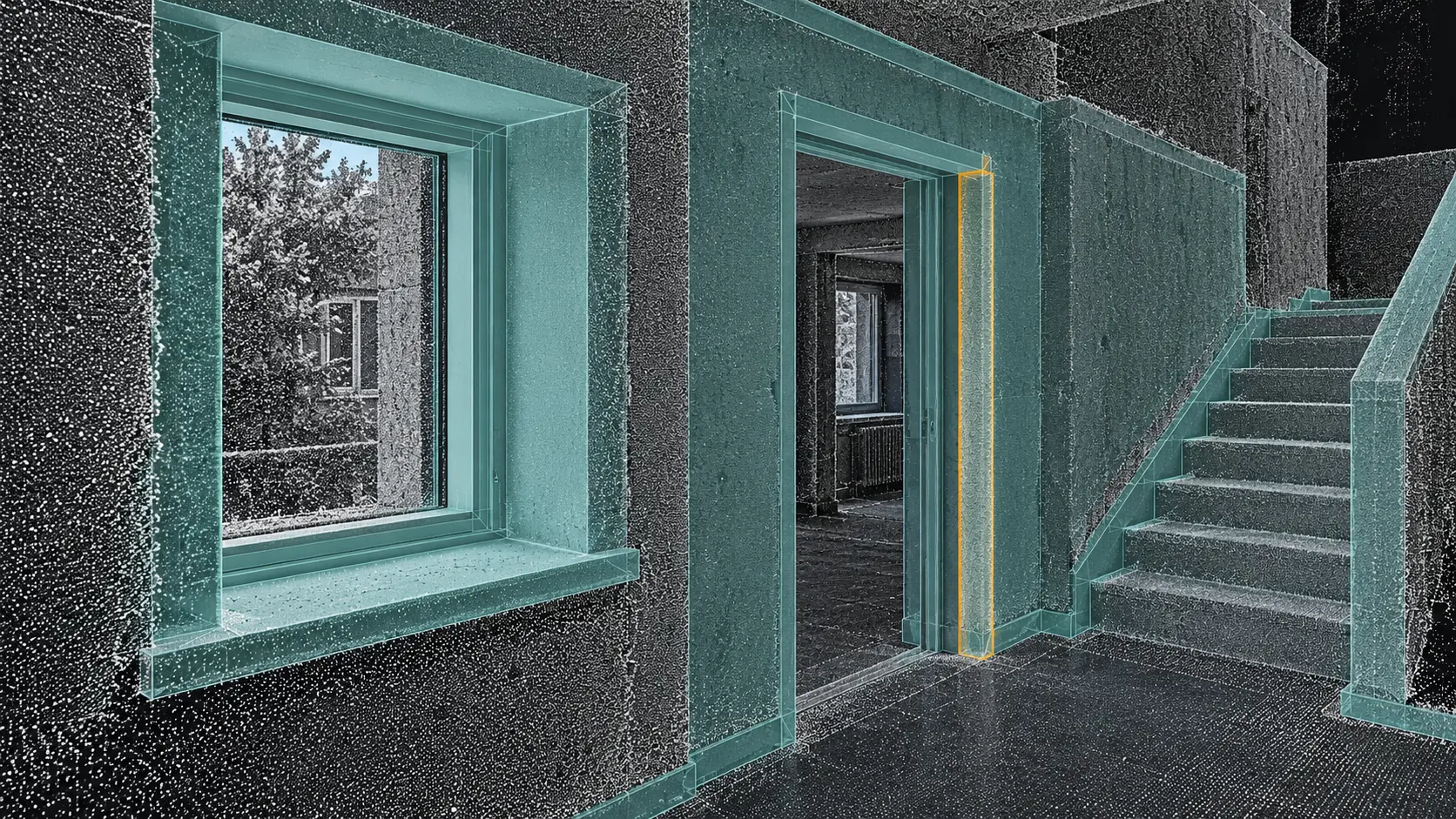
If a comparison uses sampled points, define the sampling basis and what the report does not examine. If it uses a software-generated visualization, retain the settings and legend needed to interpret it. Do not use invented colors or numbers to make an illustrative diagram resemble a measured deviation report.
Structure the acceptance register around separate checks
The following rows are hypothetical examples of how to organize a review. They do not record completed checks or measured outcomes.
| Check area | Question | Example evidence | Status to record |
|---|---|---|---|
| Source basis | Can the team identify the data, date and coordinate arrangement? | Source manifest and supplied reports | Accepted, query or limitation |
| Coverage | Are the required areas supported by captured information? | Coverage record and affected-area references | Observed, incomplete or excluded |
| Geometry | Does the checked representation meet the agreed method and thresholds? | Actual comparison report and review notes | Checked result or open action |
| Element scope | Are the agreed objects and interfaces represented? | Element matrix and model views | Included, missing or excluded |
| Information | Are required identifiers and fields present and usable? | Field review and delivery requirements | Accepted or correction needed |
| Handover | Can the recipient use the issued files? | File manifest and receiving check | Tested result or unresolved dependency |
Download the acceptance register and add the responsible reviewer, method, evidence location and actual result for each check. Leave unperformed checks unrecorded or explicitly pending. Do not mark a template row as passed simply because its wording is complete.
Record exceptions where the next team can find them
An exception should identify the affected location or element and explain its consequence. “Ceiling uncertain” is difficult to use. A more useful record names the area, states which surface or service route is not supported and identifies the decision or investigation needed before reliance.
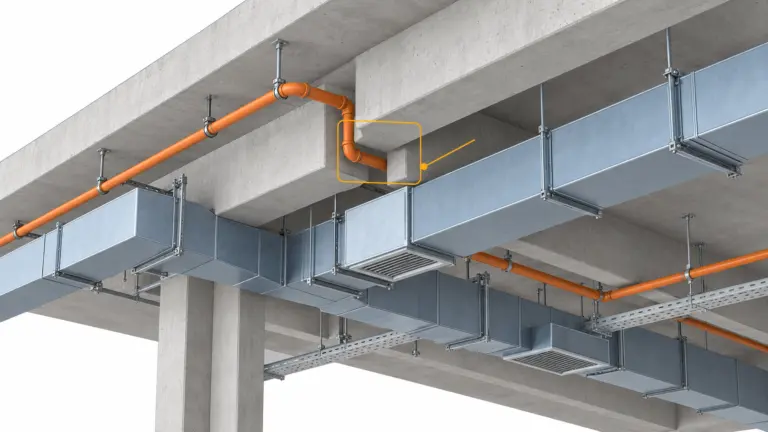
For an illustrative example, a service is visible on either side of an enclosed zone. The modeled connecting route might be an agreed assumption. The register should say that the intervening geometry was inferred and identify the uses for which further investigation is required.
Keep exceptions linked to the issued model revision. If additional data later resolves the uncertainty, record the changed source and the checks applied to the updated delivery. The history should explain why the status changed.
Make corrections and rechecks traceable
When review identifies a problem, record the finding, owner, required response and affected issue. The response should identify the changed information and the evidence needed for recheck. A modeler's statement that an item is fixed can initiate review; it is not the entire acceptance record.
Check related outputs where appropriate. Changing an opening or level relationship may affect a plan, section or coordination view. Review the change's consequences against the actual delivery scope instead of assuming that every dependent output updated correctly.
Before issue, reconcile the register with the delivery manifest. The final reviewer should know which checks apply to the current files, which exceptions remain and what those exceptions mean for the stated use.
Questions about Scan-to-BIM quality control
Is there one tolerance every model should meet?
This guide does not prescribe one. Requirements depend on the intended use, source information, method and appointment. Agree a defensible acceptance basis with the relevant specialists and state it before production.
Can visual review replace model-to-cloud checking?
Visual review can identify particular problems, but its scope and limitations need to be stated. Use the methods required by the project rather than treating an attractive model view as proof of measured accuracy.
What should an acceptance report identify?
Identify the issued model, source basis, checks performed, methods, actual results, exceptions and responsible review. Keep unperformed work visible. A concise, traceable record is preferable to a broad assurance statement.
Use the register when commissioning or receiving Scan-to-BIM services. The cost and effort of these checks should also appear in the scope comparison, so that the acceptance work is included in the appointment.