
BIM can help project teams organize information for sustainable design decisions. A useful model can support analysis and comparison, but it does not make a building sustainable by itself.
Using BIM in sustainable design
1. Compare energy-related design options
Model information can support studies of building form, orientation and envelope choices. Autodesk's conceptual design guidance describes workflows that include energy and solar analysis.
An analysis needs suitable assumptions about the building and its use. Weather, materials, occupancy and systems affect the results. Predicted performance should not be presented as a guaranteed level of energy use after construction.
2. Review solar exposure
Solar analysis can estimate irradiance on modeled surfaces. This can inform discussions about shading and design alternatives. It is distinct from a presentation rendering and must be interpreted for the question being studied.
Daylight, glare, heating and cooling performance may require additional analysis. The relevant specialists need to assess those results alongside other design requirements.
3. Use quantities with a defined model scope
Schedules and material takeoffs report components and materials included in the model. They can help the team compare options and prepare estimates.
The output depends on how elements are modeled, classified and measured. Missing elements, allowances, waste factors and procurement quantities need separate attention. A material takeoff is not an assurance of exact quantities for every item or the elimination of over-ordering.
4. Resolve coordination issues before issue
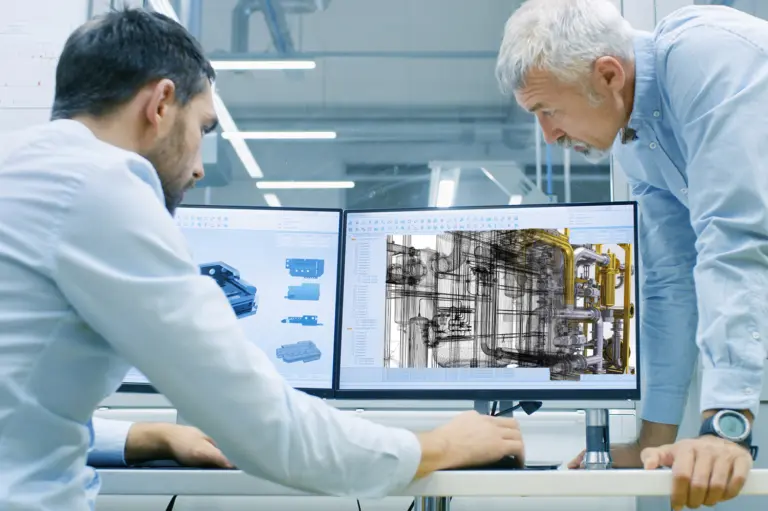
Clash detection helps teams identify selected geometric conflicts. Reviewing and resolving those issues before construction may reduce avoidable rework.
The benefit depends on the completeness of the input models and the checks performed. A clash-free model does not establish that every construction or performance issue has been resolved.

Keep lifecycle information usable
A model can hold agreed equipment and material information for handover. To support maintenance or later reuse decisions, the owner needs the right attributes, formats and a process for keeping the information current.
Live energy monitoring and predictive maintenance require appropriate operational systems and data connections. A static model does not perform those functions automatically.
Similarly, an environmental comparison needs reliable material data and an appropriate assessment method. Record the source, scope and assumptions so the design team can judge the result.
Define the decision before adding detail
Agree on the sustainability questions the project needs to answer, then identify the model information and analysis tools required. Check exchanges between tools and keep analysis assumptions with the results.
For BIM modeling support, supply the project's information requirements, material conventions and review instructions. The responsible design and sustainability specialists can then evaluate the model outputs within their own scope.